


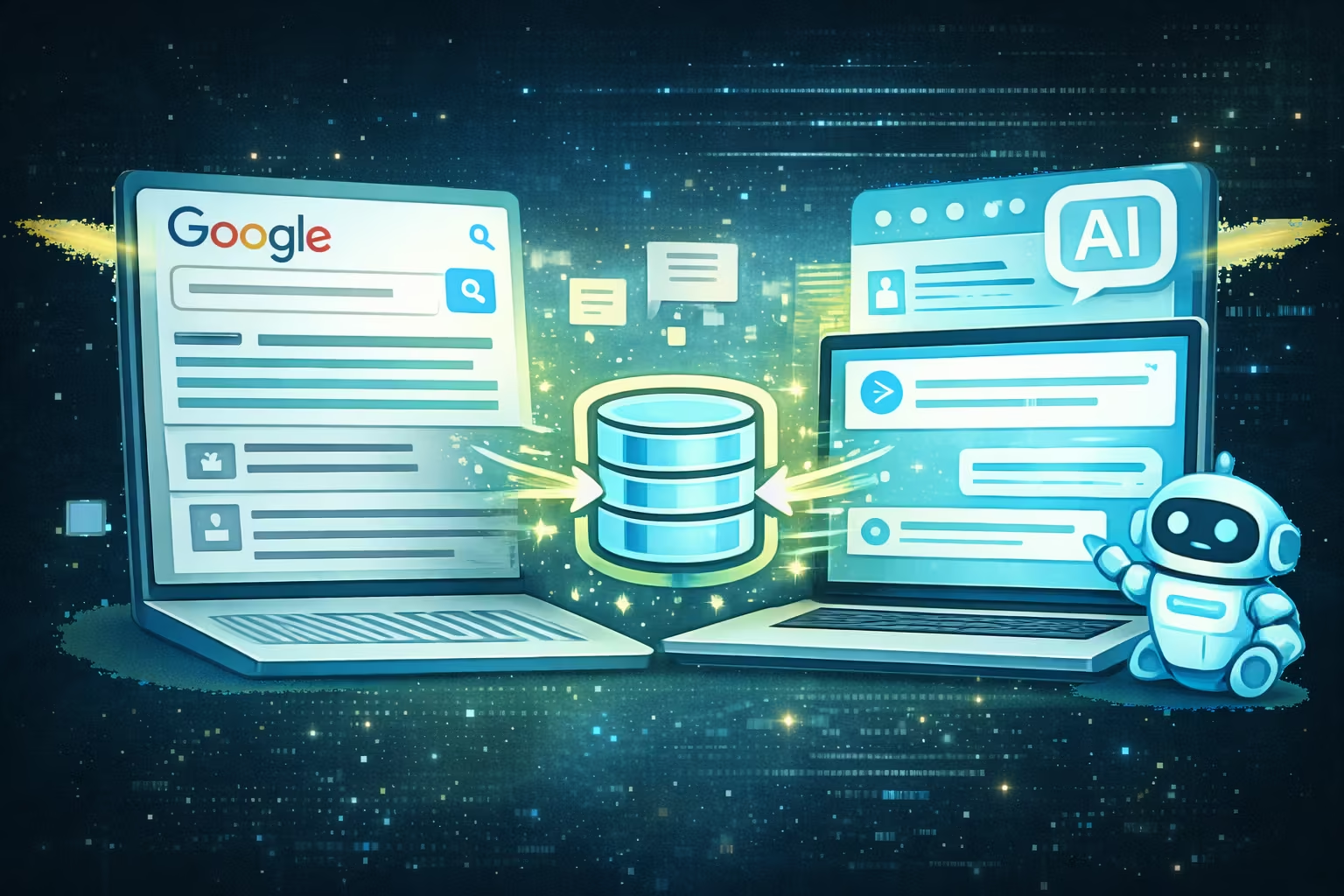
When Google rewired how we find information, websites had to learn SEO.
Now AI browsers like ChatGPT Atlas are teaching the internet a new language—one spoken not to people, but to their AI assistants.
The Shift: From Search to Delegation
Atlas doesn’t just show links; it does the reading for you. It opens tabs, compares information, summarises findings, and gives users the answer directly.
For informational sites, that’s like a travel agent planning the whole trip without ever letting the traveller visit your office. Your role becomes supplying the itinerary—accurate, structured, and machine-readable.
What This Means for You
1. You’re Now Writing for Two Audiences:
People skim. AI parses. Humans respond to storytelling and visual hierarchy; AI responds to clarity, structure, and intent. UX and UI now influence not just human comprehension, but how machines interpret relationships between elements on a page.
2. Expect Less Traffic, Same Reach:
Visitors may drop, yet your ideas might travel further—relayed by AI summaries instead of direct clicks. Visibility shifts from “pageviews” to “influence.” UX must make every visit feel meaningful, converting fleeting verification into trust.
3. Accuracy Becomes Authority:
AI agents reward precision. Outdated or vague content will be ignored or misrepresented. Maintain clear timestamps, data sources, and consistent on-page cues—navigation, layout, and design signals now form part of your credibility architecture.
4. Structured Data Is Your New SEO (and UX Backbone):
Schema markup and clean information architecture make your content accessible to both humans and AI. The same structure that improves usability also enables discoverability. Treat design and data as two sides of the same coin.
5. Trust Still Lives on Your Site:
When readers do visit, it’s to validate what the AI said. They’re not browsing; they’re confirming. Visual clarity, accessibility, and thoughtful interaction design must reinforce confidence instantly.
The Analogy
If traditional SEO was building roads to your shop, AI browsing is sending drones to collect your goods. The drones don’t admire your shopfront—they care about how neatly your shelves are labelled. But when people do walk in, the experience better make them stay.
How to Adapt
- Structure everything. Use schema.org, internal linking, and clear hierarchy.
- Design for clarity. Every layout decision should serve comprehension—human and machine.
- Write task-based content. “How to,” “When to,” and “For whom” beats abstract copy.
- Keep data fresh. Outdated pages erode both human trust and AI confidence.
- Audit your AI footprint. Ask ChatGPT or Perplexity how they summarise your site.
- Elevate originality. UX showcases it; AI amplifies it.
The Takeaway
The informational web is shifting from search and click to ask and summarise.
Your site isn’t just a destination anymore—it’s a data source and trust signal for both people and AI.
Reflect: Is your website still designed for visitors, or for visibility?
It might be time to rethink your site’s purpose—and how both humans and machines perceive its value.
If you need help evolving your strategy and experience in this new era, get ahead with Vine.
We’re transforming brands like yours to stay visible, credible, and relevant where it matters most.
Vine Design specialises in building AI-readable, human-credible websites that stay visible as search shifts from clicks to answers.
If your site needs to perform beyond pageviews and earn trust with people and AI, let’s talk.